World Tourism Day: Cultures in Connection
World Tourism Day serves as a global reminder of why we pack our bags, learn new phrases, and step into the unknown.
Think about it. That moment when a traveler in India shares chai with a tea seller in Rajasthan. When a musician from Ghana watches a drummer in Peru and somehow understands the rhythm without words. These invisible threads connect us across continents.
Tourism isn't really about checking destinations off a list. It's about exchange. Sharing stories over meals prepared by strangers who become friends. Respecting traditions that have survived centuries. Understanding that beneath different skin tones, languages, and customs beats a common human heart.
And here's something fascinating: technology now helps us bridge these gaps faster while keeping authenticity intact. Artificial intelligence, when used thoughtfully, opens doors to experiences we might otherwise miss.
How Travel Truly Connects Cultures
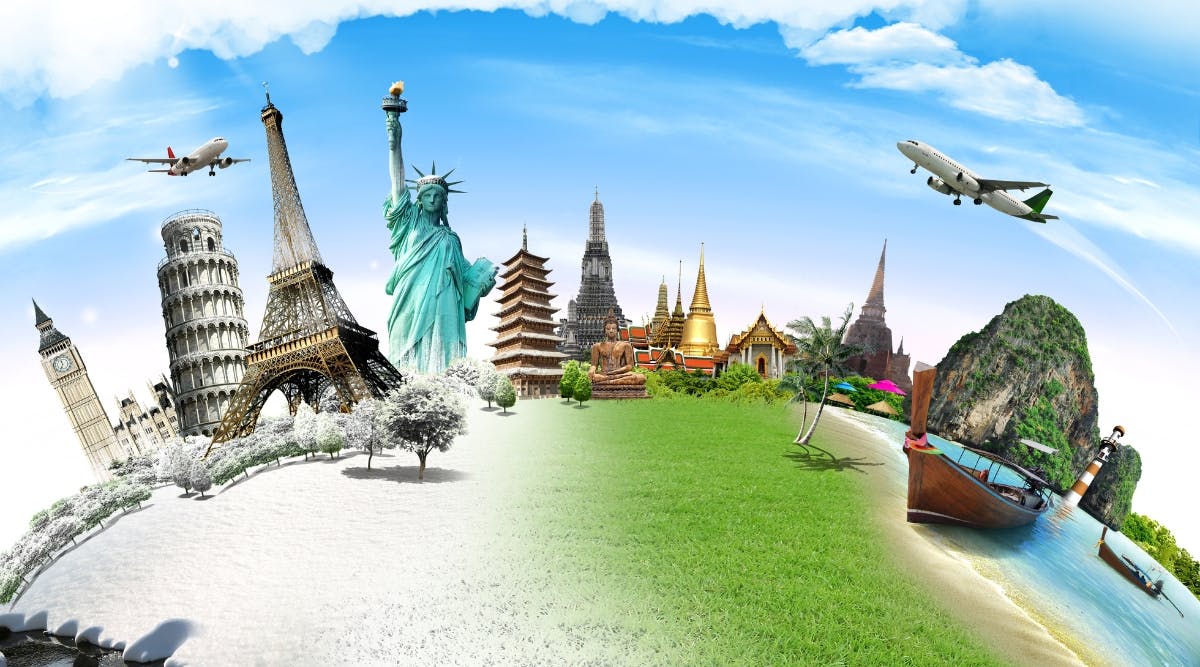
Let's break down this idea of "connection" into real, tangible experiences.
Experiencing Traditions, Not Just Observing Them
Ever stood at the edge of a local festival, camera in hand, watching from the outside? It feels different when you step in.
Participating in a harvest ceremony in Bali or joining a wedding celebration in rural Mexico creates memories that outlast any souvenir. You feel the music in your chest. You taste food prepared for the community, not commerce.
AI Connection: Smart travel tools now alert you to local events happening during your visit. That once-a-year festival you would have missed? Your travel app finds it.
Food: The Universal Language
Every dish tells a story. Migration patterns show up in spices. Trade routes appear in cooking techniques. Religious practices shape what ends up on the plate.
Sitting on floor cushions sharing a meal with a Moroccan family teaches more than any guided museum tour. The grandmother who shows you how to roll couscous by hand passes down knowledge no history book contains.
AI Connection: Modern travel planners recommend family-run eateries and cooking classes with locals. They find food markets where tourists rarely venture.
Art, Music, and Storytelling
From Rajasthani folk music echoing through desert camps to Peruvian panpipes greeting sunrise at Machu Picchu, art carries a community's soul.
Workshops where you try pottery alongside local artisans beat crowded galleries every time. Live performances in small venues let you feel the music rather than just hear it.
AI Connection: Smart algorithms suggest intimate cultural venues based on what moves you. A pottery workshop in a Japanese village might appear in your feed because you lingered over ceramic photos before.
AI as a Bridge to Authentic Cultural Experiences
Remember the old way? Flipping through guidebooks published three years ago, ending up at restaurants full of tourists, watching watered-down "cultural shows" designed for easy consumption.
That's changing.
AI now helps travelers find genuine connections based on genuine curiosity.
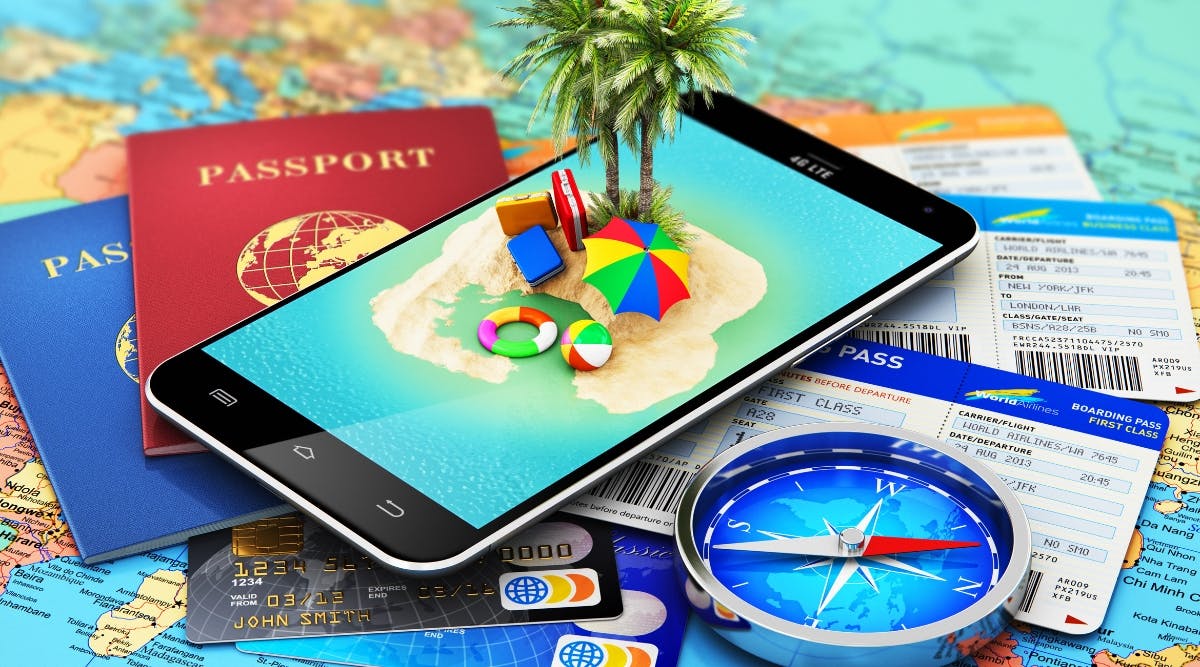
What AI Actually Does
Discovers Hidden Gems: The lesser-known festivals, the family workshops passed down through generations, the local storytellers who rarely perform for outsiders. AI finds them.
Provides Context: Why do women wear headscarves in certain cultures? Why is that dance performed only at specific times? Why is this dish considered sacred? AI explains the "why" behind traditions.
Breaks Language Barriers: Real-time translation apps let you converse with elders in remote villages. You ask questions. They share stories. Understanding flows both ways.
Ensures Respect: Smart tools flag cultural sensitivities before you accidentally offend. Dress codes at temples. Photography rules at ceremonies. Taboos you wouldn't know otherwise.
Read On: Virtual Travel Agents: Instant Bookings Made Simple
World in Focus: Cultures Connecting Through Travel
Let's make this real with examples from around the globe.
Japan – The Way of Tea
In Kyoto, families who've practiced tea ceremonies for generations open their homes to visitors. You don't just watch you participate. The slow, deliberate movements. The philosophy of ichigo ichie once-in-a-lifetime encounter.
AI Connection: Translation apps explain the meaning behind each gesture. You understand why the host turns the bowl, why silence matters, why this moment will never come again exactly the same way.
Morocco – The Soul of the Souk
Marrakech's markets overwhelm the senses. Spices piled in colorful mountains. Leather workers hammering by hand. But beyond the buying lies centuries of Berber craftsmanship and Arab-Andalusian influence.
AI Connection: Smart recommendations guide you to ethical vendors and workshops where you can try pottery or weaving yourself.
Peru – Living Inca Heritage
The Inti Raymi Festival draws travelers into ancient Andean spirituality. Incan descendants reenact the Festival of the Sun with genuine devotion, not tourist performance.
AI Connection: Apps highlight community-run homestays near sacred valleys where you wake to Andean mornings and share meals with local families.
Ghana – Rhythms of Resilience
Drumming circles in coastal villages pass down history through generations. The rhythms tell stories of ancestors, of struggle, of survival and celebration.
AI Connection: Travel tools connect you to villages that welcome respectful participation, not just observation.
The Ripple Effect: Why Cultural Travel Benefits Everyone
This isn't one-sided. When travel connects authentically, everyone wins.
For Travelers: You grow personally. Your perspective broadens. Memories shape your identity. You move from tourist to temporary community member.
For Local Communities: Money reaches families directly, not through corporate filters. Traditions gain value, encouraging younger generations to learn them. Languages, crafts, and rituals survive another generation.
For the Tourism Industry: The shift from mass tourism to meaningful travel changes everything. Travelers stay longer, spend more thoughtfully, and return again.
Travel Responsibly: A Code for Cultural Respect
Ready to travel deeper? Keep these guidelines close.
Do Your Homework: Learn basic phrases before you go. Understand religious customs. Know local etiquette around greetings, dress, and dining.
Ask Permission: Never assume. Ask before photographing people, especially in sacred spaces or during private moments.
Support Local: Buy directly from artisans. Hire community guides. Eat at family-owned spots where recipes have history.
Leave No Trace: Culturally and environmentally. Respect spaces as you found them. Take only photographs and memories.
Let AI Help: Use smart tools to research norms, find ethical experiences, and avoid over-touristed spots that exploit culture for profit.
The Future: AI and the Evolution of Cultural Travel
Where are we headed? The possibilities excite me.
Hyper-Personalization: Imagine AI curating a ten-day deep dive into Sufi music across Turkey and Pakistan. Or a journey following Buddhist monastic traditions through Southeast Asia.
Real-Time Cultural Alerts: Push notifications for local festivals happening nearby. Ceremonies you would have missed. Community events open to respectful visitors.
Virtual Cultural Preludes: Before arriving, experience VR previews of festivals or heritage sites. Build anticipation and understanding before you step off the plane.
Sustainability Scoring: Future AI may rank experiences based on how well they support local communities. Ethical choices become easier to identify.
Technology won't replace human connection. It will simply remove the barriers to it.
You May Also Like: The Ethics of AI in Tourism
Conclusion: Travel with Intention This World Tourism Day
World Tourism Day celebrates our shared planet and its beautiful diversity. Every trip offers a chance to build bridges, not just take photos.
So this year, travel with intention. Let curiosity guide you. Approach unfamiliar customs with respect rather than judgment. Understand that behind every tradition lives a community preserving something precious.
When we travel with open hearts, we don't just see the world, we become part of it.
FAQs on On World Tourism Day
When is World Tourism Day celebrated?
World Tourism Day falls on September 27 every year, established by the United Nations World Tourism Organization to highlight tourism's social, cultural, and economic value.
How can AI help me find authentic cultural experiences?
AI travel tools analyze your interests to recommend local festivals, family-run workshops, and community events you might otherwise miss, while also providing cultural context and etiquette guidance.
What's the difference between observing and experiencing a tradition?
Observing means watching from outside; experiencing means participating respectfully—joining ceremonies, sharing meals with locals, or trying crafts alongside artisans who've practiced for generations.
How can I ensure my travel benefits local communities?
Spend money directly with local artisans, hire community guides, eat at family-owned restaurants, and use AI tools that identify ethical tourism options and culturally respectful experiences.
Why is cultural preservation important for tourism?
When traditions gain economic value through tourism, younger generations stay motivated to learn languages, crafts, and rituals from their elders, keeping cultural heritage alive for future generations.