Will AI Replace Human Jobs in Travel Industry

Everywhere you look, there's a new headline about artificial intelligence taking over. In the travel industry, the anxiety is real. We see chatbots handling customer service, AI tools building itineraries, and algorithms pricing flights.
It’s natural to wonder: Is a robot coming for my job?
The short answer is no, but the long answer is more interesting. AI is absolutely changing how we work in travel. Some tasks are vanishing. But for every task that disappears, new opportunities are emerging.
Here is the truth about the future of travel careers.
How AI Is Currently Being Used in Travel
Before we talk about jobs, let’s look at where AI is already working behind the scenes:
- Airlines use AI to predict flight delays and set flexible ticket prices.
- Hotels offer mobile check-in and AI-powered concierge services.
- Booking platforms provide personalized recommendations based on your browsing history.
- Customer service uses chatbots to handle common questions instantly.
The goal isn't to fire everyone. The goal is efficiency. Travel companies want to save money on routine tasks so they can invest more in the moments that matter.
Find out : Best Apps for Planning Travel on Mobile
Which Travel Jobs Are Most at Risk?
If your job involves repetitive, rule-based tasks, it will likely be automated. This doesn't happen overnight, but the shift is real.
1. Basic Customer Support (Call Centers)
If a customer asks, "What is your cancellation policy?" a chatbot can answer that instantly and in any language. High-volume, low-complexity queries are now handled by AI.
2. Ticketing and Reservation Clerks
Online booking systems have already reduced the need for humans to manually enter reservations. As AI becomes smarter, this manual entry role continues to shrink.
3. Data Entry and Inventory Management.
Updating room availability, processing supplier rates, and managing spreadsheets? AI does this faster and without typos.
4. Simple Travel Planning
If a traveler wants a straightforward flight and hotel package for a beach vacation, an AI tool can generate that in seconds. No humans needed it.
Does this mean these careers are dead? Not exactly. But the people in these roles will need to adapt and learn new skills.
Which Travel Jobs Are Actually Growing?
Here is the good news. AI is terrible at being human. It cannot truly empathize, tell a compelling story, or think creatively in a crisis. These uniquely human skills are becoming more valuable, not less.
1. High-Touch Travel Advisors
Luxury travel, honeymoons, milestone birthdays, these require a human touch.
Clients want someone who listens, understands their dreams, and catches the details they forgot to mention.
AI can suggest hotels; it cannot hold your hand through a once-in-a-lifetime trip.
2. Tour Guides and Cultural Storytellers
A guide does more than recite dates and names. They read the room, adjust the energy, tell jokes, and create memories.
AI cannot replicate the spontaneous magic of a great guide connecting with a group.
3. Hospitality Managers
When a guest has a problem at 2 AM, they don't want to talk to a chatbot.
They want a competent, calm human to fix it. Leadership, crisis management, and genuine hospitality are safe careers.
4. Experience Designers
Travelers are bored with cookie-cutter trips. They want to cook with a local grandmother, hike with a conservationist, or learn pottery in a small village.
Designing these authentic, creative experiences requires human imagination.
5. AI Specialists (Yes, Really)
Someone has to build, manage, and improve all this AI. Data analysts, prompt engineers, and tech managers are new, high-demand roles born directly from automation.
Why AI Won't Take Over Completely
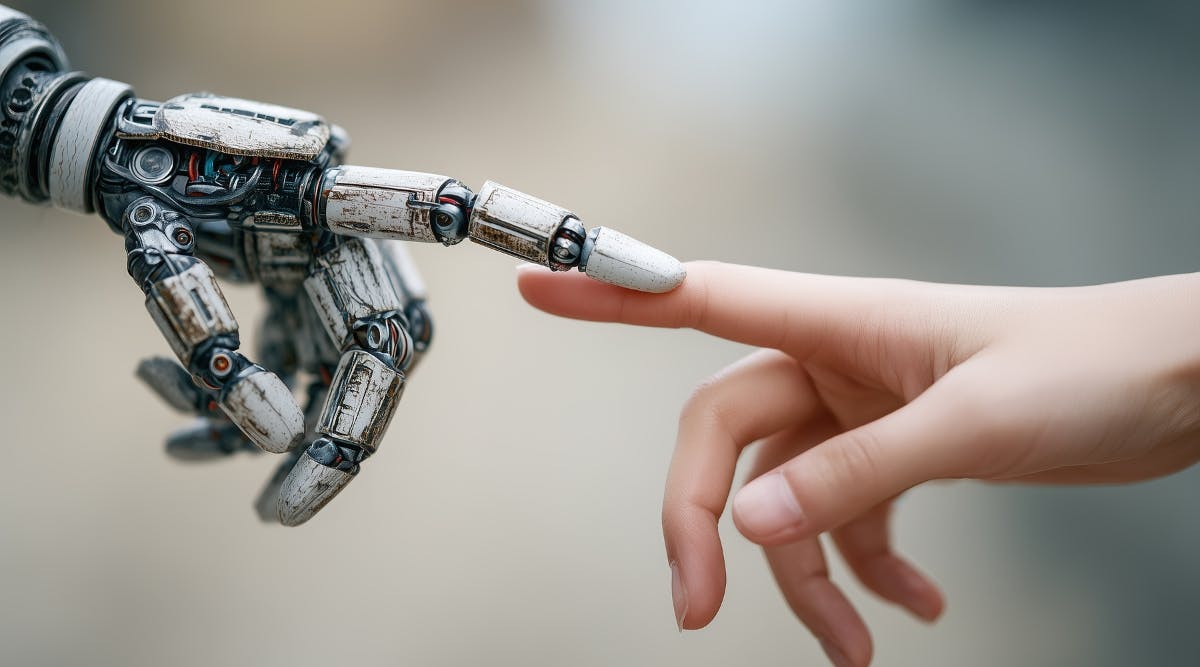
Let's be realistic about what AI struggles with.
- Empathy: AI can simulate sympathy, but it cannot genuinely care about your lost luggage.
- Judgment: In unpredictable situations (a political protest, a sudden storm, a medical issue), AI follows scripts. Humans think on their feet.
- Trust: People trust people. When the stakes are high, we want a reassuring voice, not a text box.
Travel is emotional. It’s about connection, celebration, and sometimes, escape. That emotional core will always need a human touch.
The Future Is Collaboration, Not Replacement
The smartest travel companies aren't choosing between AI and humans. They are using both.
- AI handles the boring stuff: searches, comparisons, FAQs, and data entry.
- Humans handle the important stuff: relationships, problem-solving, creative planning.
Think of AI as a powerful assistant. It gives you superpowers. It frees you from the desk so you can focus on the guest.
What This Means for Your Travel Career
If you work in travel, the message is clear: adapt and grow.
- Upskilling is essential - Learn how to use AI tools. Understand data. Embrace digital trends.
- Double down on soft skills - Empathy, communication, creativity—these are your job security.
- Specialize - The more niche your expertise (birdwatching tours in Costa Rica, luxury safari logistics), the harder you are to replace.
Final Thoughts
So, will AI replace jobs in the travel industry?
It will replace tasks. It will replace purely transactional roles. But it will not replace the industry's heart. The future belongs to travel professionals who see AI not as a threat, but as a tool. Those who combine technical skills with genuine human warmth will not just survive, they will thrive.
The journey ahead is different, but the destination is still human.
FAQs on on AI and Travel Jobs
Will AI make travel agents obsolete?
No. AI will handle the basic research and booking, but travel agents who offer specialized knowledge, personal relationships, and complex planning will be in higher demand than ever.
Which travel jobs are safest from automation?
Jobs requiring high emotional intelligence are safest. This includes tour guides, luxury travel advisors, hospitality managers, and creative experience designers. If your job involves a genuine human connection, you are likely secure.
Can AI create new jobs in tourism?
Absolutely. The rise of AI creates demand for data analysts, AI system managers, prompt engineers, and digital transformation specialists within travel companies.
How can I future-proof my travel career?
Focus on skills AI cannot replicate: empathy, creativity, and complex problem-solving. Also, embrace technology. Learn to use AI tools so you can work faster and smarter.
Is AI good or bad for the travel industry?
Both. It's disruptive, but disruption leads to growth. AI makes travel more efficient and personalized, which benefits travelers. For workers, it means letting go of repetitive tasks and focusing on higher-value, more rewarding work.