Virtual Reality Travel Meets AI Technology
Travel has always been about discovery. Experiencing new cultures, exploring landmarks, and tasting local cuisine makes every trip unique. Planning such journeys can take a lot of time and effort. Virtual reality (VR) travel combined with AI technology is changing how people explore the world. It allows travelers to preview destinations, plan efficiently, and enjoy experiences before even packing a bag.
How VR and AI Are Transforming Travel
Virtual reality lets travelers experience destinations in a lifelike way. They can stroll through iconic streets, explore museums, or visit natural landmarks all from home. When paired with AI technology, these experiences become more personal and engaging. AI learns about travel preferences, habits, and budgets to recommend VR tours that suit each traveler’s interests.
For example, adventure seekers can explore hiking trails or dive into coral reefs virtually. History lovers can walk through ancient ruins, while food enthusiasts can explore local markets and restaurants. The combination of VR and AI makes travel planning exciting, practical, and tailored to individual tastes.
Personalized Travel Planning
AI technology plays a key role in creating tailored trips with AI travel assistants. It analyzes traveler behavior, previous trips, and preferences to suggest destinations and activities. VR technology then allows a preview of these recommendations in 3D. Travelers can virtually inspect hotel rooms, tour neighborhoods, or check attractions before finalizing plans.
This personalization reduces uncertainty and improves travel decisions. It also saves time. Travelers no longer need to browse hundreds of websites or read countless reviews. AI handles research, while VR provides a vivid experience of the destination.
Booking and Itinerary Optimization
Combining AI and VR also makes bookings much easier. AI can quickly compare flights, hotels, and activities across multiple platforms, spotting deals and notifying travelers of price changes. Meanwhile, VR lets travelers explore hotel layouts, nearby attractions, and local transportation options before they book.
Itinerary optimization is another key benefit. AI arranges daily schedules efficiently. Popular sites are scheduled during quieter hours, and nearby restaurants or shops are suggested. VR previews help travelers visualize their day, making it easier to decide what to include. The result is a more organized, enjoyable trip.
Read More: Exploring the Digital World: How is Virtual Tourism Most Commonly Used?
Virtual Exploration and Previews
VR technology lets travelers explore destinations before they arrive. They can virtually visit landmarks, museums, parks, and cultural sites—stroll the streets of Paris, climb the Great Wall of China, or relax on Bali’s beaches, all from their living room.
These virtual experiences make trip planning easier and more confident. Travelers can identify attractions that match their interests, estimate travel times, and even uncover hidden gems. With AI providing personalized recommendations, this combination ensures journeys are thoughtfully planned and truly enjoyable.

Enhancing Safety and Convenience
Safety is a top priority for travelers, and VR and AI technologies can enhance both security and planning. AI tracks weather, traffic, and local conditions, alerting travelers to potential risks. Virtual previews let travelers become familiar with their destination, helping them identify safe routes, nearby emergency services, and transportation options.
These tools offer reassurance and support informed decision-making. For first-time visitors, VR experiences reduce anxiety by providing a sense of familiarity, making the journey smoother and more enjoyable.
Benefits of VR Travel with AI Technology
The combination of VR and AI provides many advantages:
- Time-Saving: Research, bookings, and planning are faster and more efficient.
- Cost-Effective: AI finds the best deals for flights, hotels, and activities.
- Personalized Experiences: Trips are tailored to interests and travel styles.
- Confidence and Safety: Virtual previews reduce uncertainty and improve safety.
- Stress-Free Planning: AI manages logistics while VR gives a clear sense of the destination.
Together, these technologies make travel planning smarter, easier, and more enjoyable.
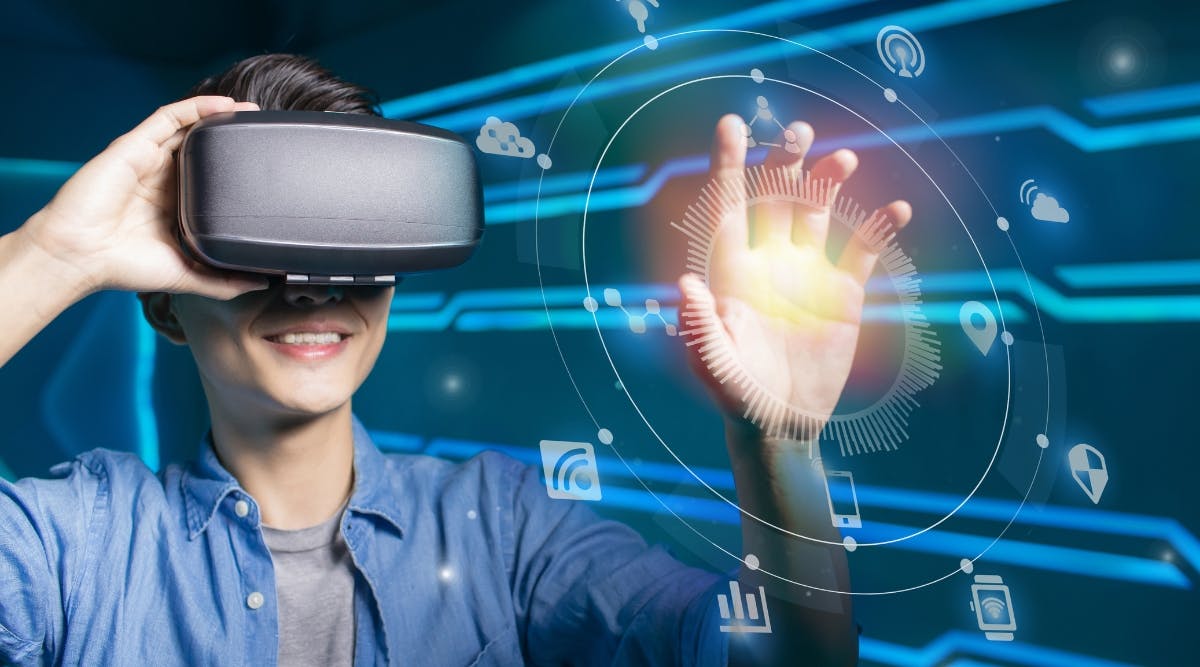
The Future of Travel
VR travel with AI technology is changing how people explore the world. Travelers can plan trips with confidence, preview experiences, and enjoy personalized itineraries. While technology enhances planning, human travel planners still provide insight, guidance, and a personal touch. Combining AI, VR, and human expertise offers the best travel experience.
This technology also opens new opportunities for those unable to travel physically. VR and AI can bring experiences to homes, schools, or workplaces. People can explore landmarks, learn about cultures, and enjoy destinations virtually. This makes travel accessible, engaging, and inclusive.
Discover More: How AR Is Used in Travel and Tourism
Conclusion
Virtual reality travel meets AI technology to create a new way of experiencing the world. It allows tailored trips with AI travel assistants, efficient planning, and immersive previews. Travelers can save time, reduce stress, and enjoy safer journeys. Combining AI, VR, and human guidance ensures trips are well-organized, personalized, and unforgettable. The future of travel is interactive, intelligent, and more exciting than ever.
FAQs on About Virtual Reality Travel
What is VR travel with AI technology?
VR travel uses virtual reality to explore destinations, while AI provides personalized recommendations and planning assistance.
How does AI help plan VR trips?
AI analyzes preferences, budget, and travel habits to suggest destinations, activities, and accommodations.
Can VR travel replace real trips?
VR travel enhances planning and previews experiences but does not replace the value of visiting destinations in person.
Is VR travel safe for first-time travelers?
Yes. VR previews familiarize travelers with destinations, making actual trips more comfortable and less stressful.
Can AI find the best deals using VR travel?
AI compares flights, hotels, and activities quickly, providing cost-effective options for travelers.