Human vs AI Travel Exploration
Travel has always been a journey of discovery. Traditionally, people relied on guidebooks, recommendations, and personal experiences. Every trip was shaped by human instincts, intuition, and curiosity. Today, technology has changed the way people explore the world. Artificial intelligence plays a significant role in planning, navigating, and personalizing travel experiences. Comparing human-led travel and AI-assisted travel shows both benefits and limitations.
Human Travel: Intuition and Experience
Human travel is deeply rooted in personal choice. Travelers pick destinations, activities, and experiences based on their interests, mood, and curiosity about different cultures. Planning by humans allows flexibility, plans can change on a whim, locals can offer unexpected suggestions, and spontaneous discoveries can be made along the way. Small details often matter most, such as stumbling upon a quiet café tucked away in a bustling city or joining a local festival that isn’t listed in any guidebook.
Travel is also a sensory experience. Humans notice the aroma of street food, the rhythm of local music, and the vibrant energy of a city square. These impressions create emotional connections with a place that technology cannot fully replicate. Personal interactions, like asking questions to guides, learning local history firsthand, or sharing a moment with residents, add depth to the journey. These experiences form lasting memories that go beyond what any digital tool can offer.
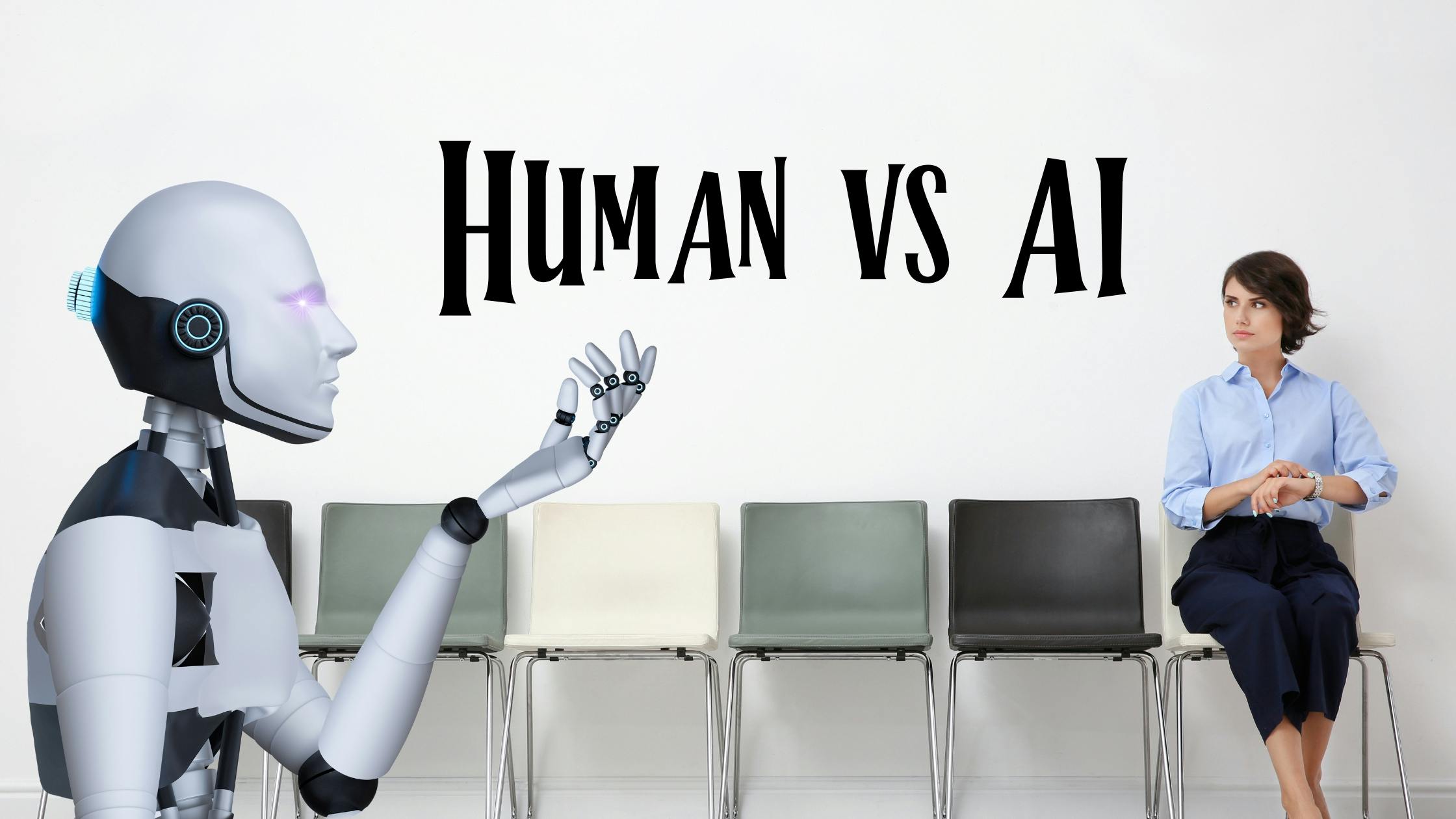
AI Travel: Data and Efficiency
Artificial intelligence is transforming the way we plan trips. Modern AI travel tools can recommend destinations, design detailed itineraries, and even handle hotel and flight bookings. By analyzing millions of reviews, ratings, and social media posts, these platforms identify trends and suggest activities tailored to each traveler’s preferences.
AI tools save time and simplify planning. They can map optimized routes, help avoid traffic delays, and find the best deals. Travelers also benefit from integrated features like maps, language translation, and digital assistants, making it easier to navigate unfamiliar places.
Personalization is a key advantage. For example, if a traveler enjoys nature walks or exploring historical sites, AI can highlight attractions and experiences that match these interests.
Additionally, AI can predict travel demand and recommend off-peak times or lesser-known destinations. It tracks local events, weather updates, and transportation changes in real time, reducing guesswork and ensuring a smoother, more convenient journey.
Human vs AI: Strengths and Limitations
Human travel excels in creativity, flexibility, and emotional connection. Humans adapt to unexpected situations. They make choices based on experience and intuition, not just data. On the other hand, AI travel offers speed, efficiency, and access to vast information. AI reduces planning stress and improves decision-making through data analysis.
Despite its advantages, AI has limitations. It cannot fully grasp emotions, cultural nuances, or individual experiences. Its recommendations may sometimes feel generic or lack originality. Human judgment is essential to make sense of AI suggestions and apply them meaningfully. By combining human intuition with AI assistance, travelers get the best of both worlds. AI can handle planning, while humans retain the freedom to explore and make spontaneous decisions.
Read More: How to Save Money on Flights and Hotels
How to Use AI Travel Tools Effectively
- Research Destinations: Use AI tools to compare attractions, reviews, and activities.
- Create Itineraries: AI can suggest optimized travel routes, saving time and effort.
- Discover Hidden Gems: Let AI identify local spots based on user reviews and patterns.
- Stay Updated: Track weather, events, and transport schedules using AI apps.
- Balance Freedom and Guidance: Follow AI suggestions but allow for personal exploration.
Future of Travel
The future of travel is a blend of human and AI exploration. AI will continue to provide data-driven insights. Travelers will still rely on personal choices, emotional connections, and spontaneous decisions. Technology will enhance experiences without replacing the joy of discovering the world firsthand.
Human and AI travel can work together. AI assists in planning, safety, and information. Humans add creativity, flexibility, and emotional depth. This combination ensures efficient, safe, and memorable journeys.
Explore More: How Does Trip Planner AI Optimize Travel Routes?
Conclusion
Human travel and AI-assisted travel each have unique strengths. Humans bring intuition, flexibility, and emotional connection to every journey, while AI provides data, efficiency, and personalized insights. The best travel experiences happen when both work together. Using AI for planning and guidance, while leaving room for spontaneous exploration, allows travelers to enjoy smarter, more memorable journeys. This balance ensures trips are both well-organized and rich in real-world experiences.
FAQs on About Human vs AI Travel
Can AI completely replace human travel planning?
No. AI assists with planning but cannot replicate personal experiences, intuition, or cultural interactions.
What are the advantages of AI travel tools?
AI provides data-driven recommendations, optimized itineraries, real-time updates, and personalized suggestions.
How do humans benefit from AI in travel?
Humans save time, reduce stress, and make informed decisions using AI insights while retaining flexibility and spontaneity.
Are there any risks in relying on AI for travel?
Yes. AI suggestions may be generic or miss cultural nuances. Travelers should verify and adapt recommendations to personal preferences.
What is the best way to combine human and AI travel?
Use AI for research, planning, and navigation, but explore destinations personally to experience local culture and unique moments.